In Short
- Mac’s Recovery mode entry process varies by chip: Apple, Silicon, or Intel.
- For Apple Silicon: Hold the Power button until the startup volume appears.
- For Intel Mac: Hold the Command + R buttons until the macOS Recovery Screen appears.
Recovery Mode in Mac is the last resort to fix persistent issues. It’s recommended by Apple Experts for troubleshooting, repairing the internal disk, reinstalling macOS, and transferring files. The built-in macOS Recovery Mode detects and fixes firmware and app crashes. You can restore backups, repair, delete volumes, or delete data from your Mac Drive.
Entering Recovery Mode on your Mac has changed with the new Apple M1 processor. Follow the steps below to enable it.
➡️ How to Know your Mac model is M1 or Intel Mac.
How to Enter Mac in Recovery Mode on MacBook, Mac for Restore, Reinstall/Repair
How to Enter Apple Silicon Mac in Recovery Mode

Step 1: Switch off your Mac (Apple Logo from the top menu > Shut down). Wait for 10 to 20 seconds then follow the next step.

Step 2: After this, Press and hold the Power Button on your Mac until the System Volume and Options buttons appear on the screen.
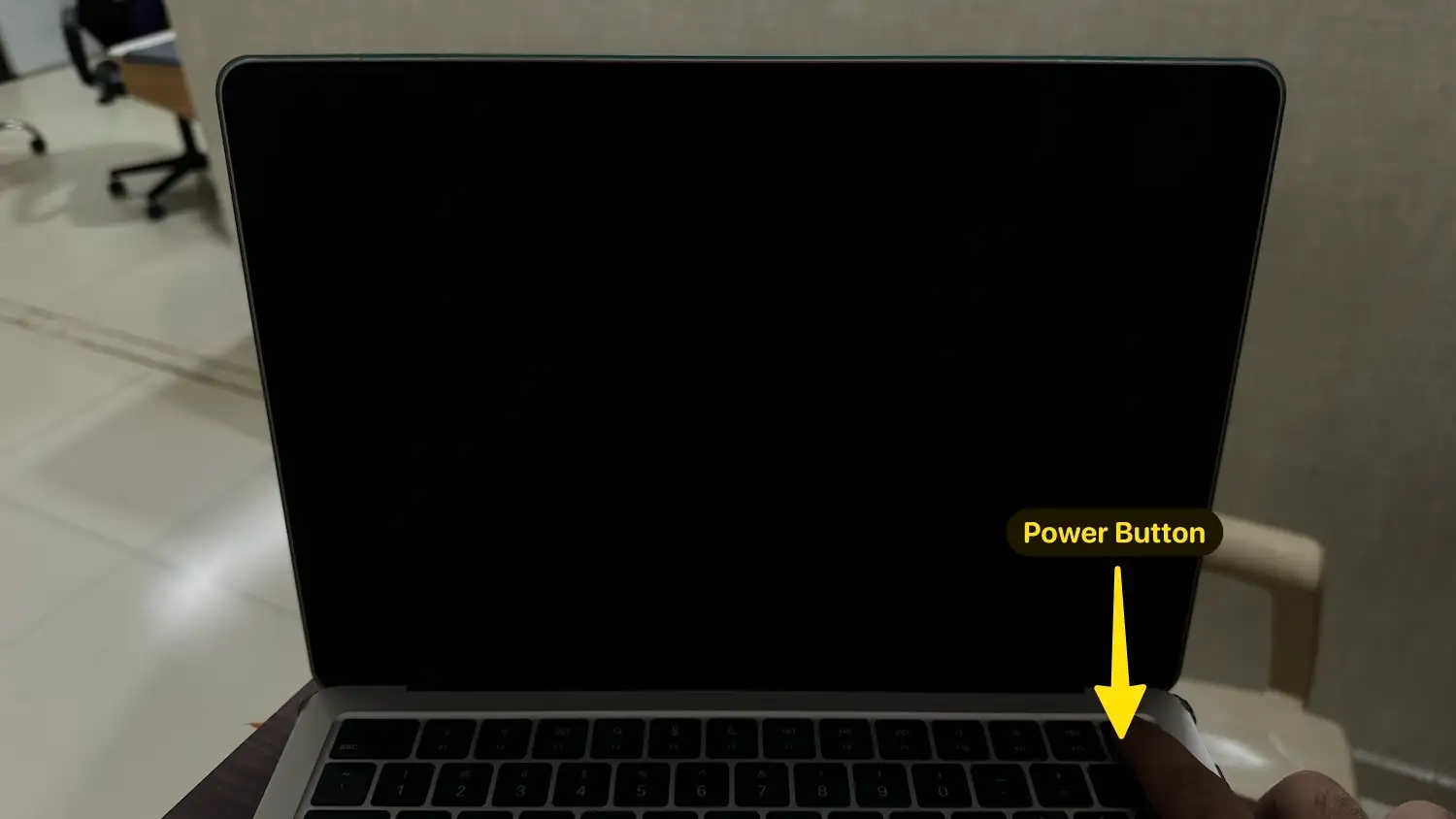
Step 3: Continue Holding the Power Button For Startup Options.

Step 4: Tap on the Options button that appears on the screen.
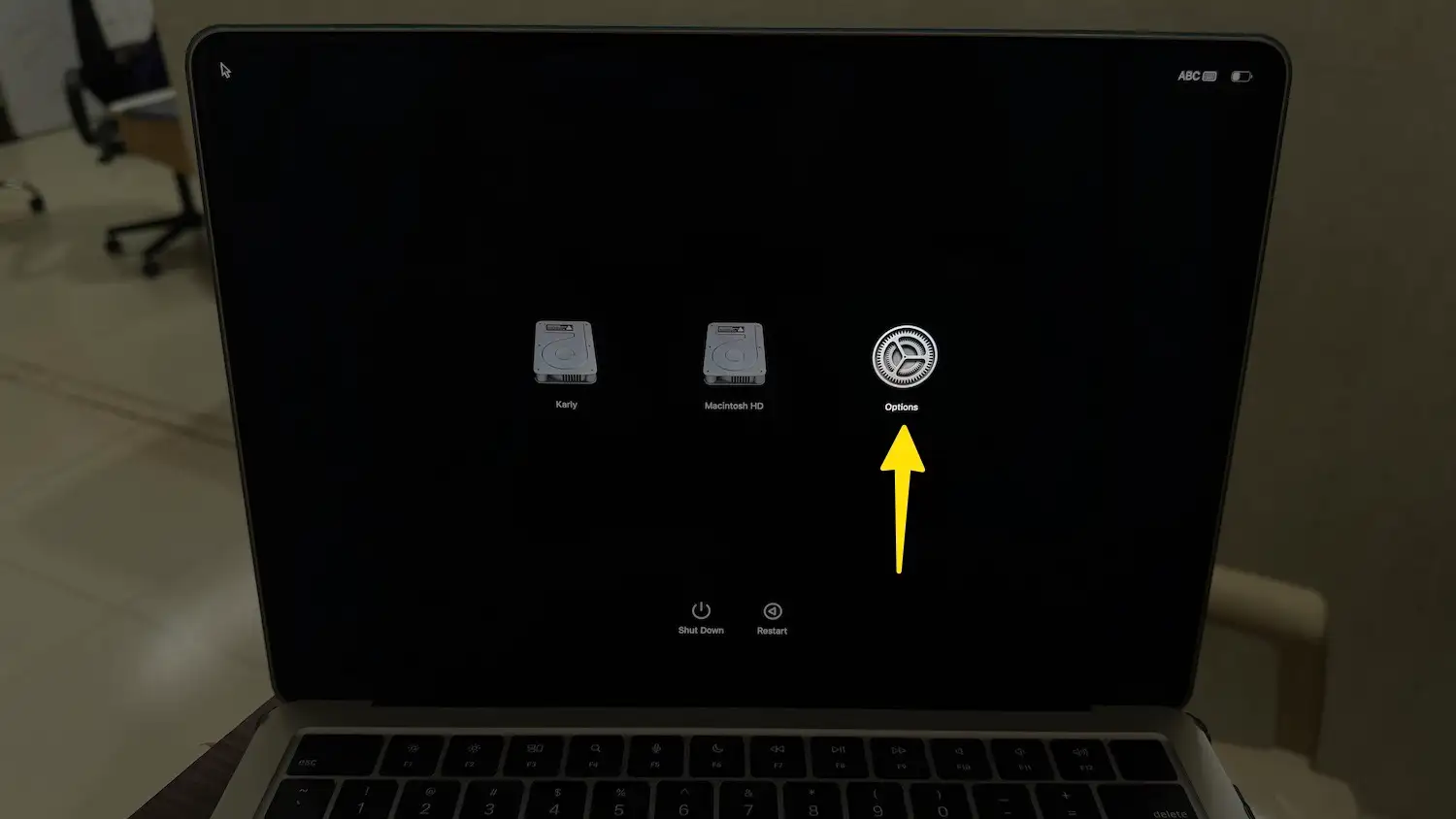
Step 5: Click on Continue.
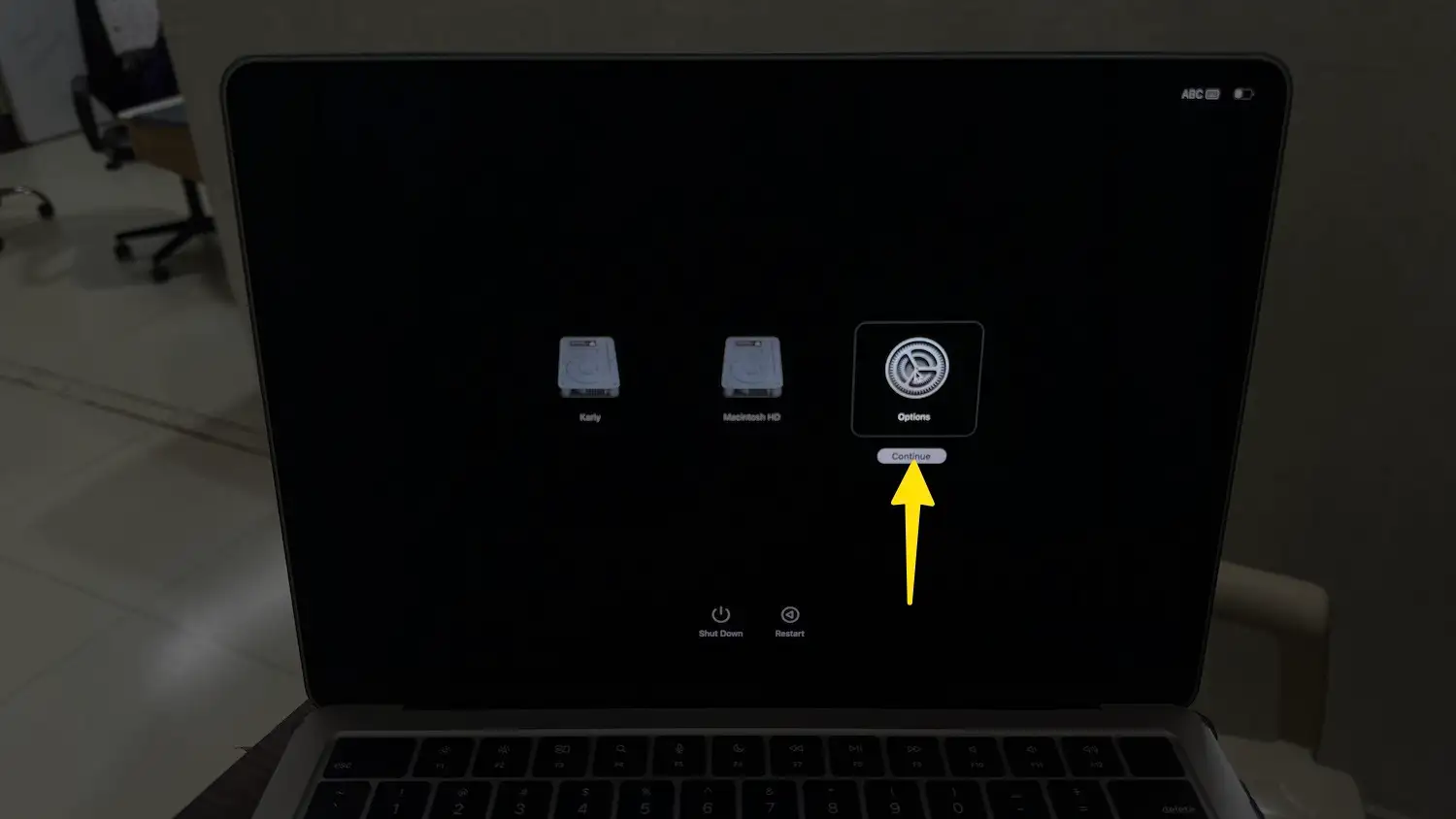
Step 6: Screen Processing appears on your Mac.
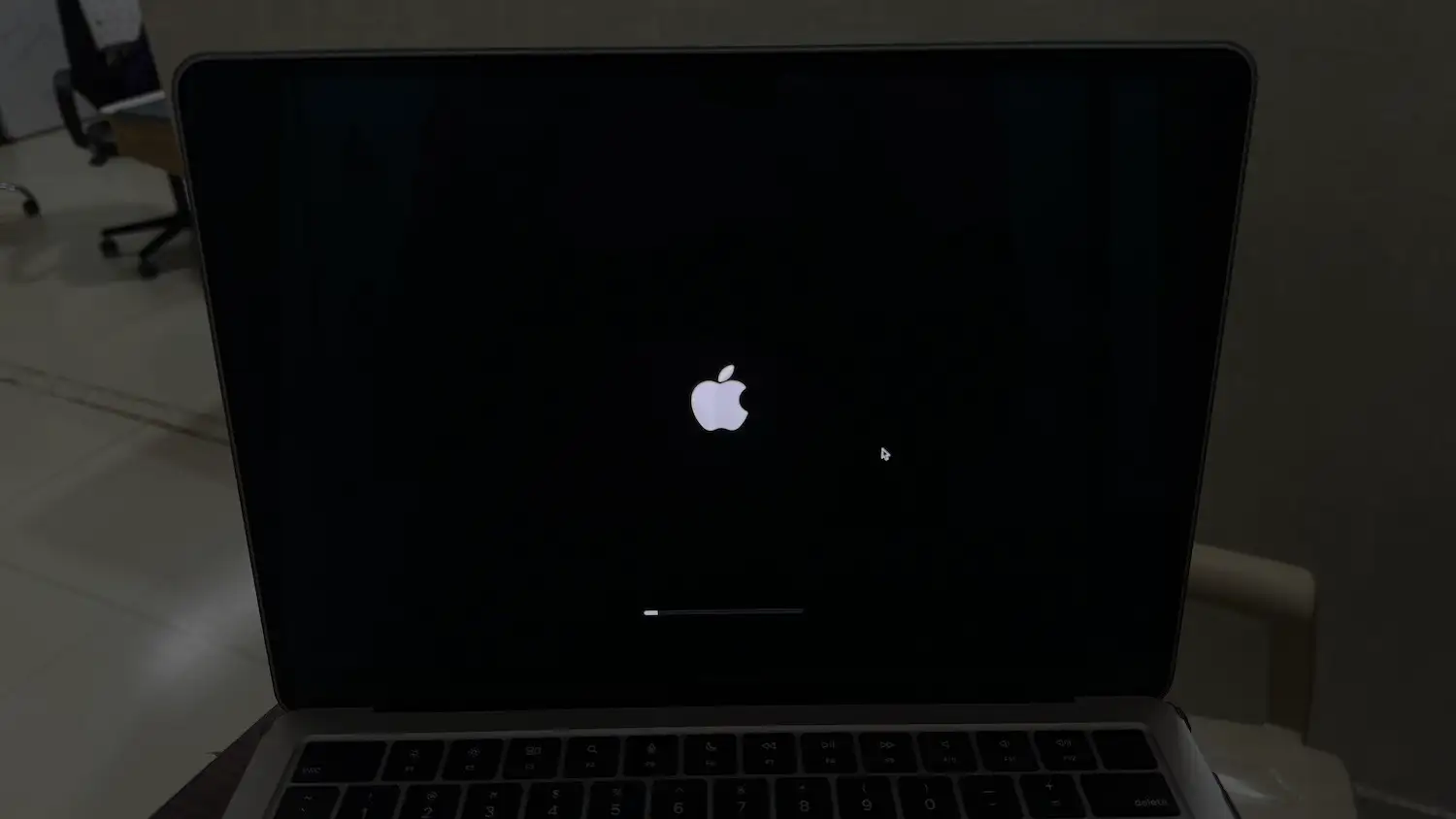
Step 7: If prompted, Choose the Volume you want to recover, then select Next.
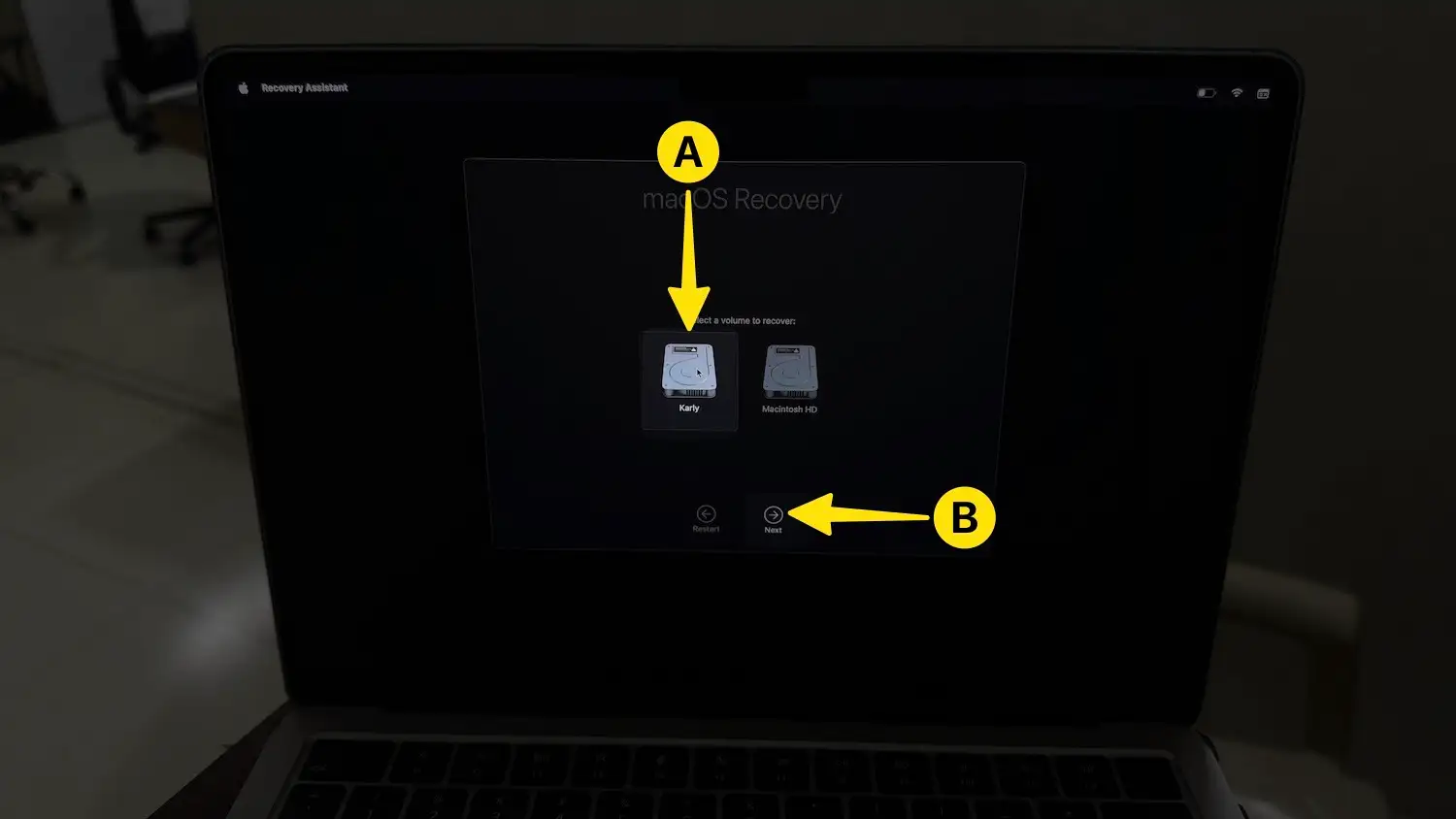
Step 8: Pick up the Administrator Account, then select Next.

Step 9: Enter your Mac password for the Administrator Account, then click Continue.
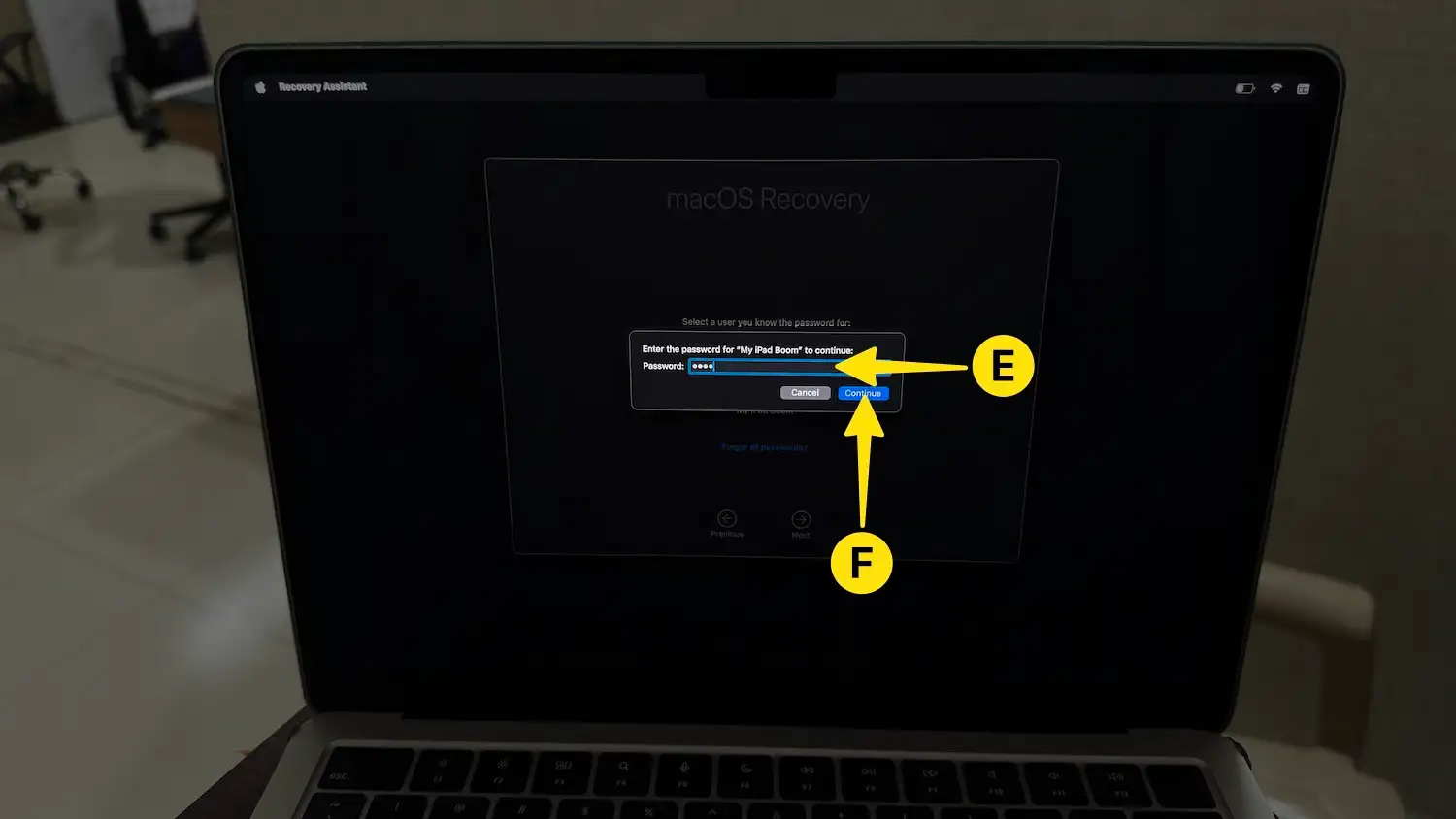
Step 10: When the Recovery Screen appears in the Mac menu bar.

Options that are only available in Apple M1 Mac:
Recovery: With this option, the Recovery app, you can get easier access to the additional apps.
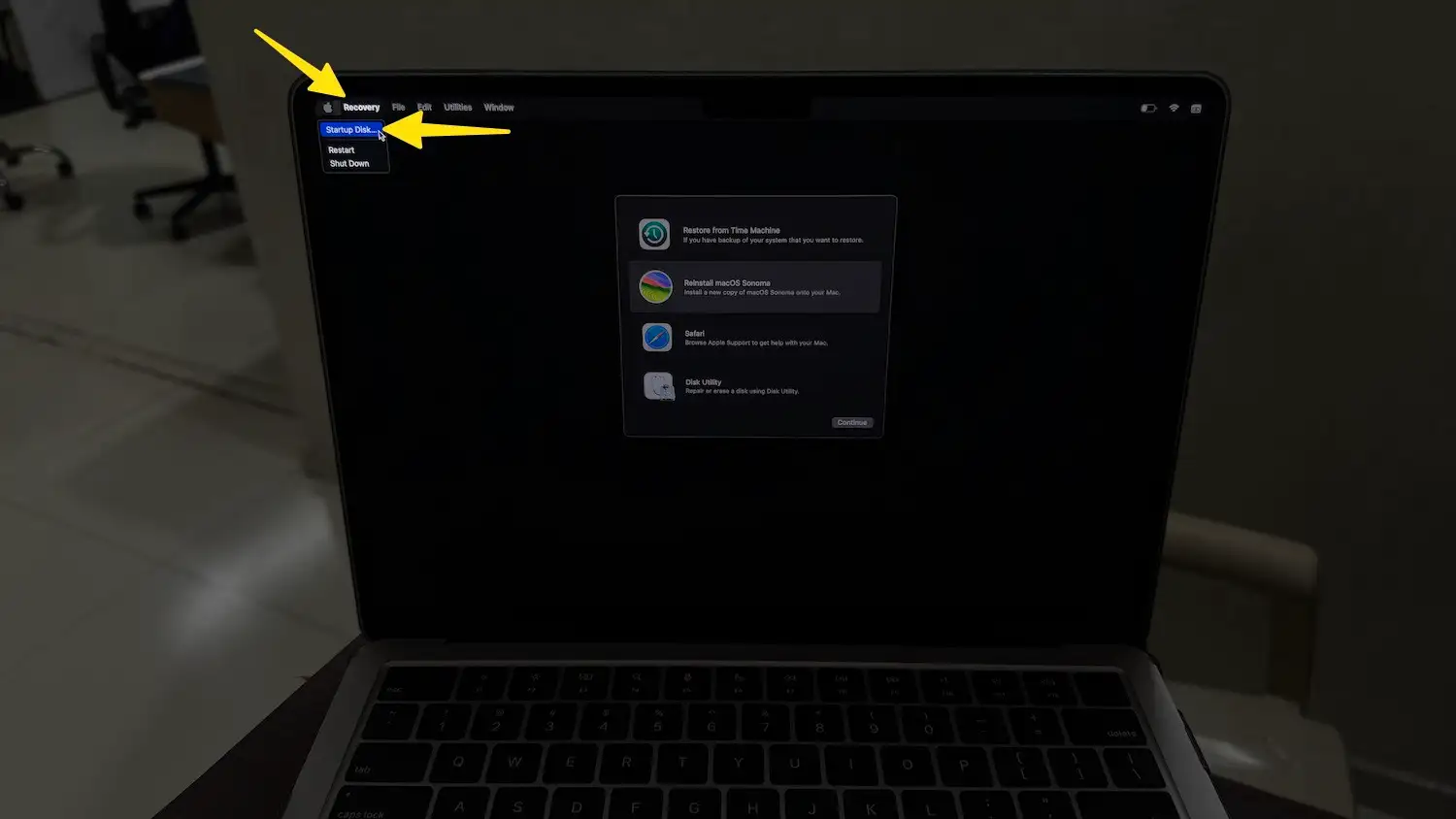
Startup Security Utility: Set the security policies on your Mac by visiting the Startup Security Utility.

Terminal: Have a good command of Terminal? Apple M1 Mac lets you change settings using the Terminal App. Utilities From top Menu > Terminal.

Share Disk: Want to transfer data between two Macs? Use the Share Disk option.

Recovery > About Recovery.

How to Enter Intel-Based Mac in Recovery Mode

- Shut down the Mac. To do so, click on the Apple icon and select Shut Down.
- Power On the Mac, and press and hold the Command + R keys.
- When you see Spinning Globe, Apple logo, or startup screen, release the Command + R keys.
- Now you should see the macOS Recovery Screen options.

- Choose your Action like Restoring your Mac from Old Time Machine Backup, Reinstall MacOS [Latest Compatible MacOS] Without Erase your Mac, opening Safari and Browse Something, using Disk Utility to Manage Your Disk storage, Repair or Easing a disk.
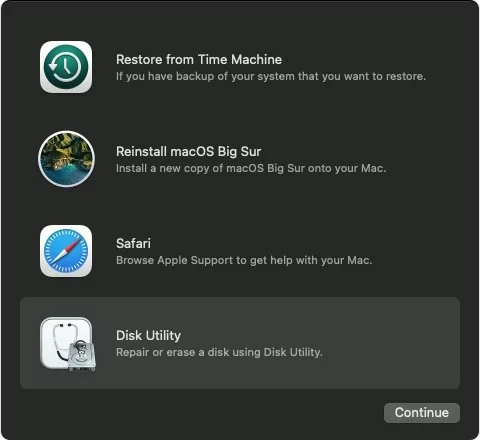
What are the options available in Mac Recovery Mode?
Compared to the Apple Intel Mac, the newer Apple M1 Processor Mac comes with more options; read along with the article.
Restore from Time Machine Backup: You can restore the Time Machine backup on the Mac with this option.
Reinstall macOS: Whenever there’s any severe firmware issue raised with the Mac, reinstalling the Mac helps boot the Mac safely and fix all the problems.
Safari (or Get Help Online): With this option, you can browse the Web only when the Mac is connected to the internet, all the extensions are disabled, but you can surf through the Apple website to get more information.
Disk Utility: This option lets you erase and repair the internal storage disks.
How to Exit Recovery Mode in Mac: M1 Mac and Intel
Done with macOS Recovery Mode or couldn’t achieve what you are trying to? No worries, in both cases, it’s better to exit the recovery mode.
- Click on the Apple Logo from the Top Mac menu.
- Select Shut Down or Restart.
The process for Exit from Safe mode and Recovery mode method is the same. Restart your Mac.
Conclusion:-
we can use Safe mode on Mac to Fix the internal software with a simple Start in Safe mode. In Safe mode, your Mac Determines the issue caused by Installed software loads on your Mac Startup.
🔥 Recovery mode! We can boot any Mac Model in recovery mode using the above guide, and That helps in installing MacOS, Restore From Time Machine Backup, Cleaning, installing Mac, & Repairing the Mac Drive without Login your Mac.
If you fail to open or Boot your Mac in Recovery mode, you can Get help from Apple support or talk to the Apple support center via Call, Chat, or Email.