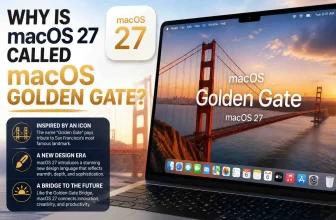
When Apple announced iOS 26, many users asked: Why skip from iOS 18 all the way to 26? Should You Update to iOS 26? Did Apple just forget about iOS 19 through iOS 25? Not exactly. Apple made a bold move by jumping straight from iOS 18 to iOS 26 — and it’s left a lot of iPhone users scratching their heads. This version number leap wasn’t random; it’s part of a bigger shift in how Apple aligns its software platforms and branding. Here’s the real reason behind the jump.
Why Apple Shocked Everyone by Jumping From iOS 18 to iOS 26?
It’s mostly about consistency: aligning Apple’s OS version numbers across platforms (macOS, watchOS, tvOS, etc.), making things easier to track, and reducing confusion. But people also raised valid concerns and possible downsides. Below, I summarize the reasons, pros & cons, and what users are speculating regarding the iPhone naming scheme.
Top Reasons Redditors Say Apple Chose – Why is it called iOS 26
1. Uniform Versioning Across All Apple OSes
The leading idea is that Apple wanted the version numbers of its operating systems to line up: macOS, iPadOS, watchOS, tvOS now all in the mid-20s, so iOS jumping to 26 keeps things consistent. “Apple renamed iOS to iOS 26 to align with macOS, watchOS, etc., and match the release year — super easy to track!”
2. Version Number “Match with Year” Helps Perceived Freshness
Some think having version numbers that roughly track calendar years or current era gives a sense of being up-to-date. It also helps marketing; OS names feel “modern.” “See, to me, this sounds like more of a reason to match years.”
3. Clarity for Users & Developers
When OS major versions are far apart, confusion can arise. By skipping ahead, all OSes are more obviously in the same generation. This helps people understand which version they are on, how old their software is relative to Apple’s ecosystem, etc. “Because OS versions get replaced every year. Apple sells a phone model for 3-4 years and they don’t want to be selling iPhone ‘26 in 2028-29.”
4. Not Everyone Likes Changing iPhone Naming (Yet)
While many support version alignment for software, the idea of renaming iPhones in a similar fashion (e.g., “iPhone 26” instead of “iPhone 17 / 18 / etc.”) got mixed responses. Concerns include brand loyalty, confusion among non-tech users, and the idea that naming based on years could make older but perfectly capable hardware seem obsolete too soon. “I think it’s because if they align the numbers and you can upgrade the OS on your phone … people would think you need an iPhone 26 to have iOS 26, etc.
Pros & Cons According to the Community
Here are the advantages and potential downsides Redditors see:
Hint – How to Downgrade from iOS 26 to iOS 18.
| Pros | Cons / Concerns |
|---|---|
| Easier tracking of OS versions across devices | Might confuse people who associate “iPhone model number” with features/age. |
| Uniformity strengthens ecosystem branding | Older devices may feel more “outdated” if their model year is implied in the name. |
| Simplified marketing & communication | Potential weirdness in resale / second-hand market (“What year is this phone?) |
| Reduces the mismatch between version numbers of different platforms | Might dilute the distinction between OS version and device generation |
🤔 Will Apple Rename the iPhone Series Too?
Many in the thread speculated whether Apple will do for iPhones what they did for iOS: start numbering phone models based on year or align with OS version numbers. Here are key points from that discussion:
- Some support it, saying “why not?” — cars do it all the time, and many brands already have year-based model naming.
- Others push back, saying it could lead to confusion, especially because Apple sells older models alongside newer ones for years. If iPhone “26” is sold in 2028, would that seem outdated or confusing?
- Image and brand identity also come up: higher numbers make a product feel newer or more impressive, which has marketing value.
Conclusion
From the Reddit thread, it’s clear that the move to “iOS 26” isn’t random — it’s very intentional. People believe it’s about keeping things consistent, making Apple’s ecosystem feel more unified, and maybe even simplifying how average users perceive the age or version of their software.
At the same time, the flip side is that naming conventions matter. Changing names and skipping numbers can disrupt expectations and influence how consumers evaluate products. Whether Apple will take the same step with iPhone model numbers is still an open question — and one that many Redditors are watching closely.