Want to keep things tidy or hide private content like an NSFW folder from popping up in Finder? Knowing how to clear the Recents folder on your Mac without deleting the original item is super handy. In this guide, we’ll break down what the Recents folder actually is, whether deleting from Recents removes your files, and how to disable Recents entirely on macOS 26 and earlier.
How to Delete the Recents Folder on Mac Finder
Also Read, How to Put a download Folder on Mac Desktop
What is the Recents folder on Mac Computer?
- The Recents folder in Finder isn’t a real folder—it’s a smart search that automatically shows your most recently opened or modified files.
- It pulls items from all over your Mac, so you can quickly find what you were working on without digging through multiple folders.
Does deleting Recents on Mac delete files?
Nope. If you remove an item from Recents, it doesn’t delete the original file from your Mac.
It simply removes it from that smart search list. Your file stays safely in its original folder.
Also Read, Where is Picture Folder on your Mac?
Method 1: Hide Recents on MacOS Finder Sidebar
If you don’t want Recents to show up as a shortcut in your Finder sidebar, you can easily hide it or customize the sidebar to remove it. Here’s how to quickly hide Recents under Favorites. Just follow the steps below.
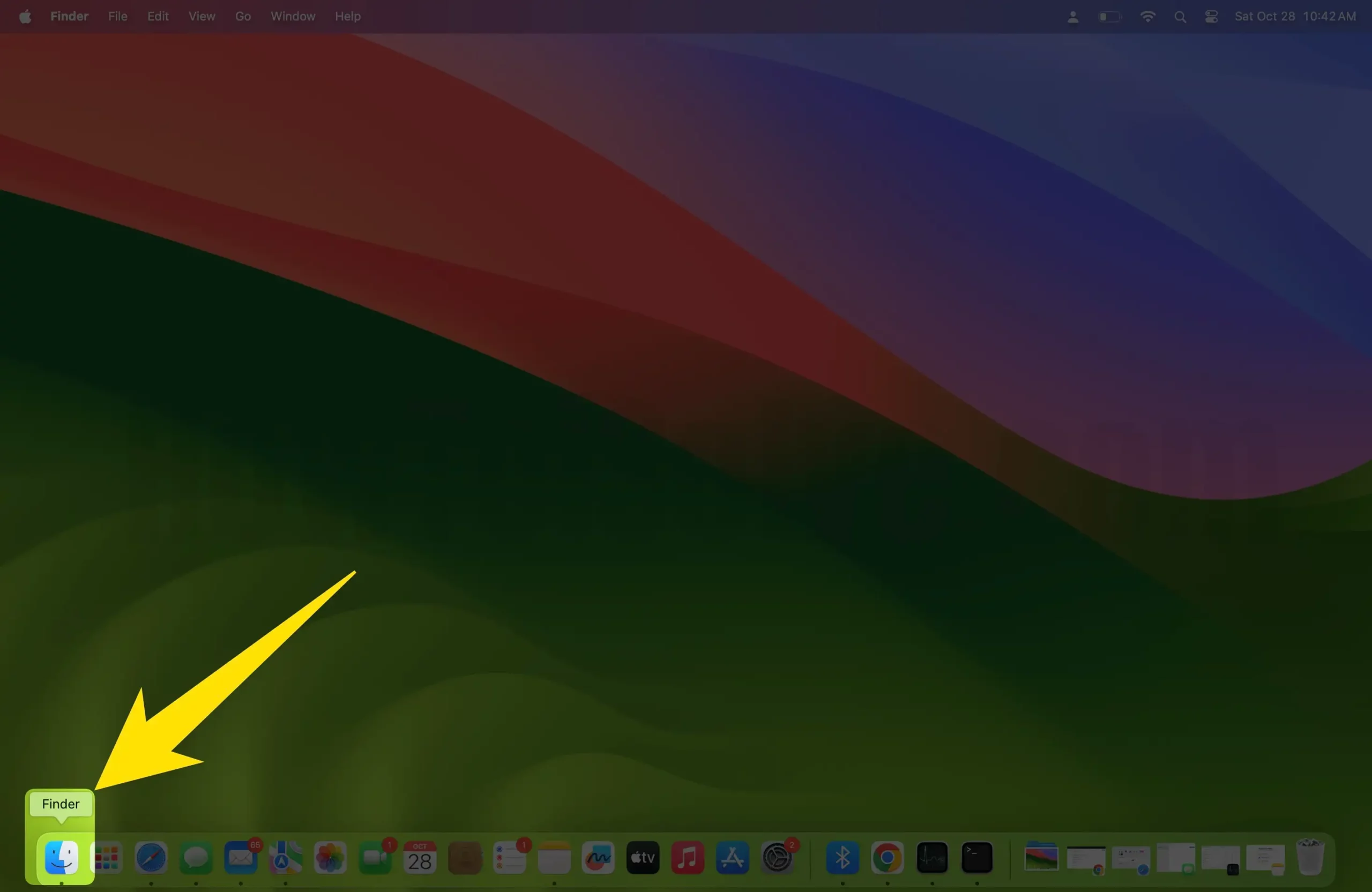
- Open Finder. – Click the Finder icon in your Dock.
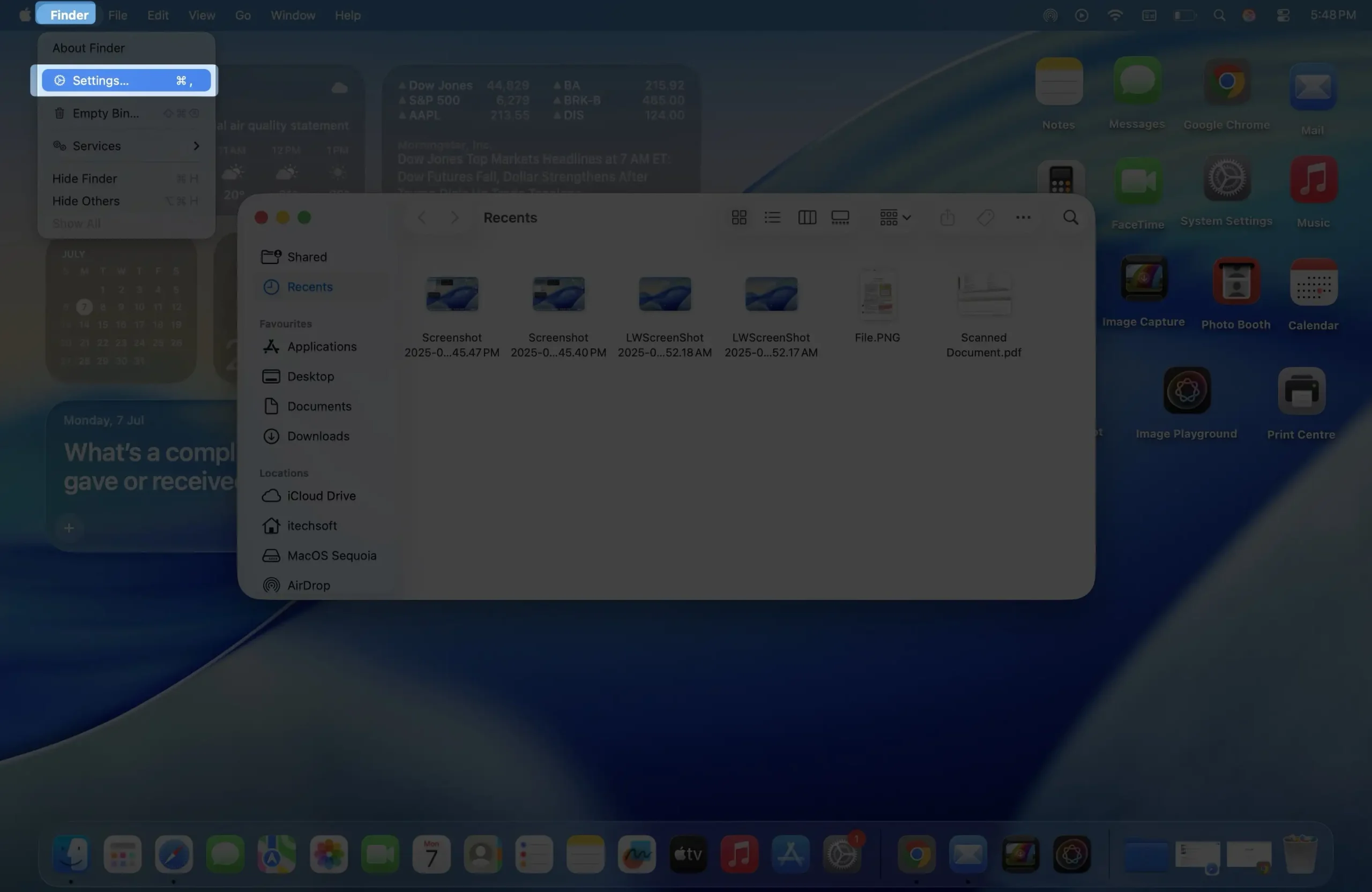
- Go to Settings. In the menu bar at the top, click Finder, then choose Settings (or Preferences, depending on your region).
- Remove Recents from the sidebar. – Click on the Sidebar tab.
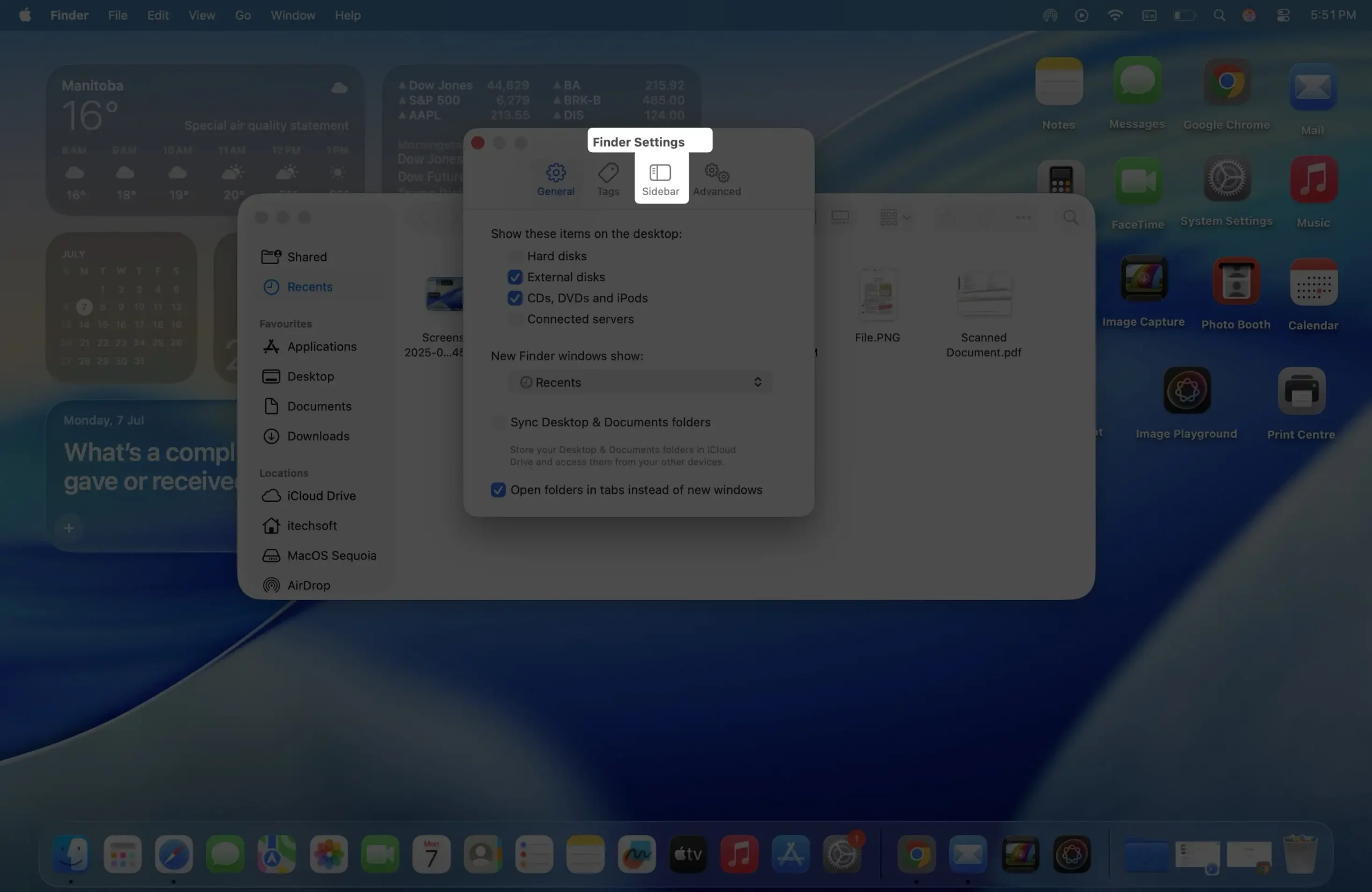
- Uncheck Recents so it won’t appear in your Finder sidebar anymore.
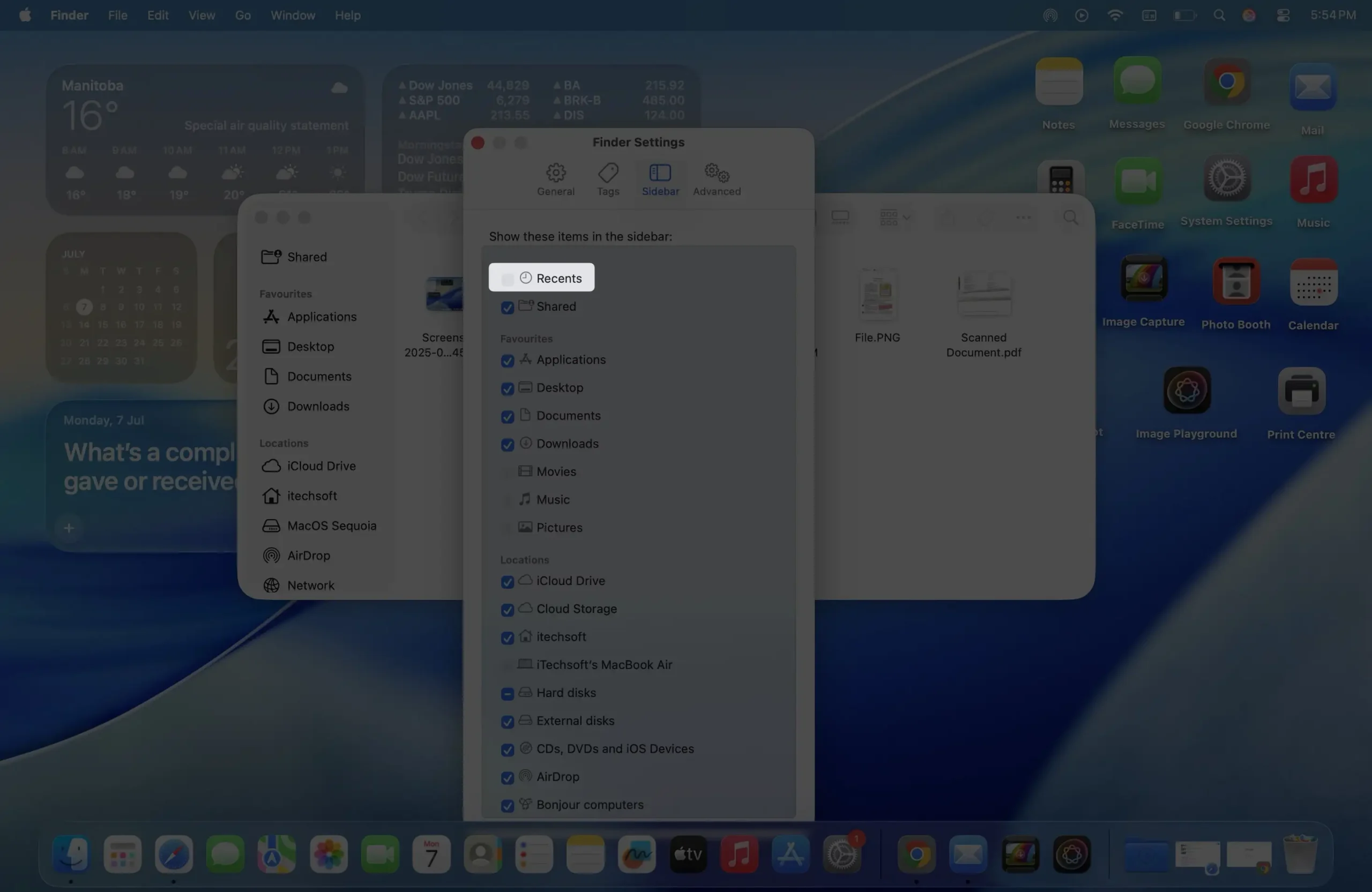
- Done.
Now your Mac won’t keep showing the Recents folder by default, which helps keep things a bit more private, especially if you have sensitive or NSFW folders you don’t want popping up.
Method 2: Stop the New Finder window from showing all recent files
As we know, Finder will stay open on your Mac to Quickly Open files and folders. Mac users can customize the New Finder window, which displays all recent files.
Here are the steps to change the default Finder view,
- Open Finder on your Mac, then go to the top menu > Select Finder > Settings or Preferences.
- Click on the General tab if you end up on a different settings page.
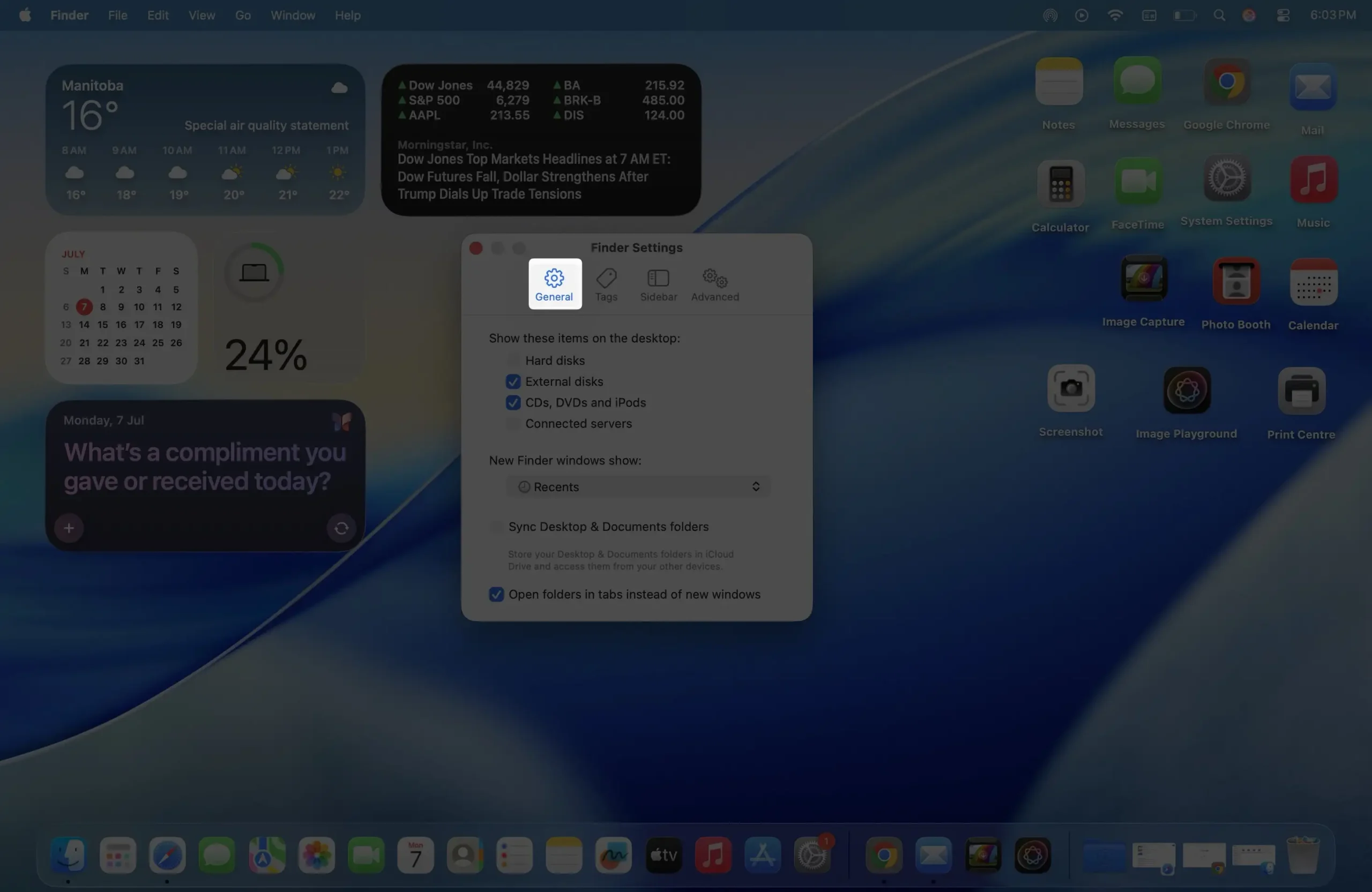
- Find the “New Finder windows show” option.
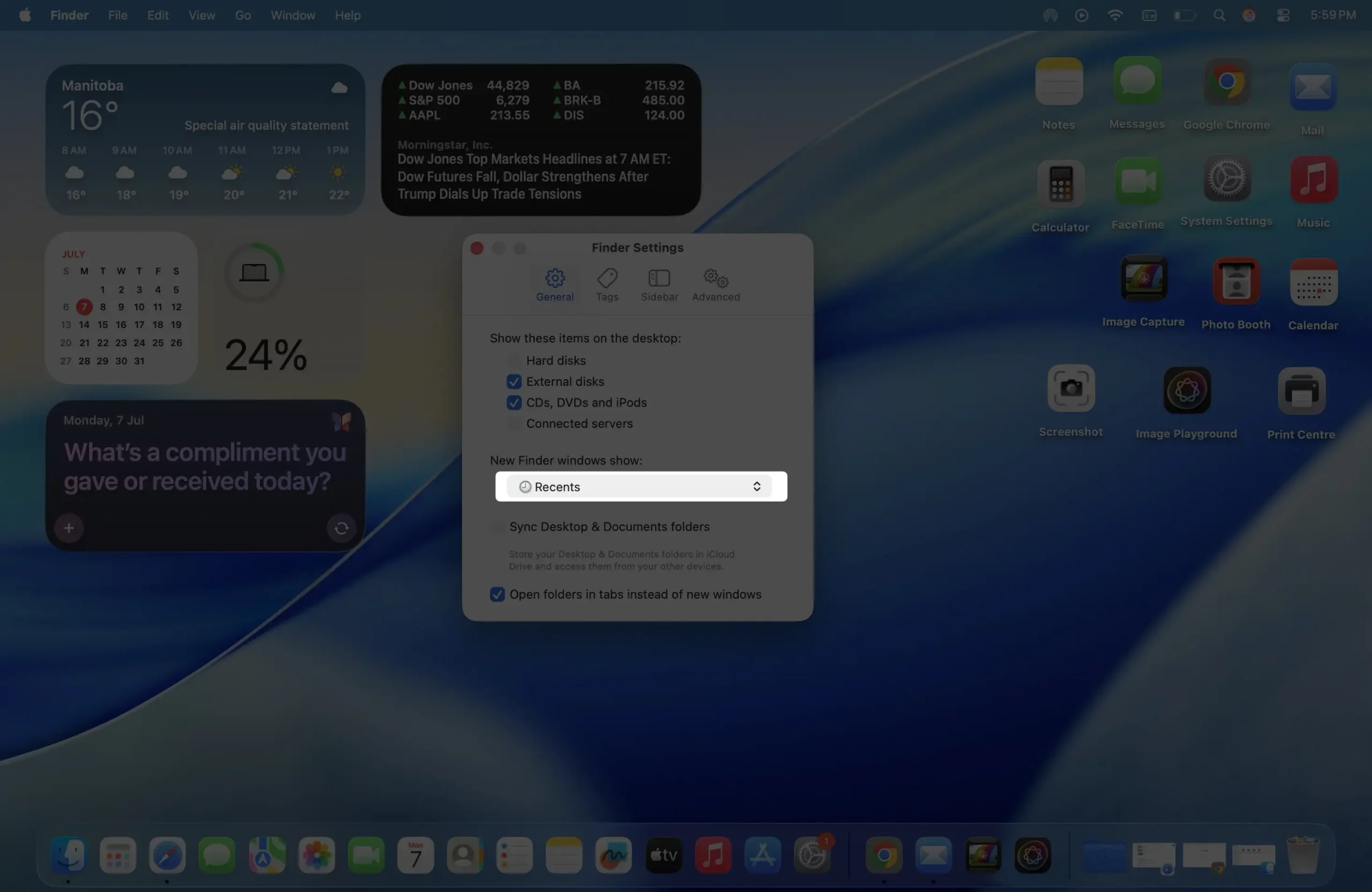
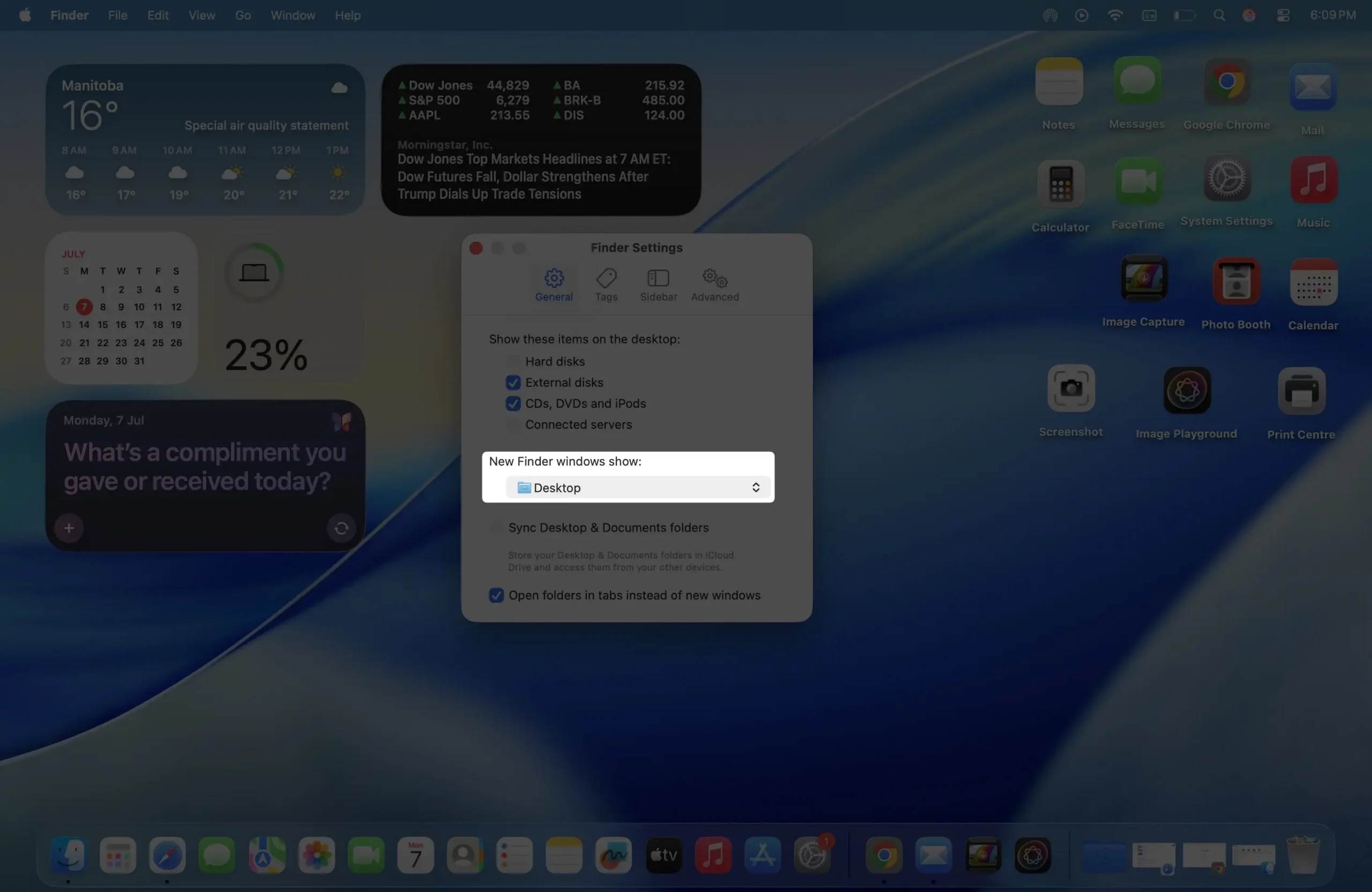
- Select a different folder or location from the dropdown list instead of Recents. Change from recent to Volume Drive, Desktop, and more options.
Method 3: Hide Startup Disk from Spotlight Search
Spotlight search can be called a universal program added by Apple for Mac to track all of your activities and keep a record throughout the time you’ve used the Mac. Spotlight search is responsible for creating an index of all the files on the Disk and aware of all the changes done on the File or folder. Therefore, hiding the entire startup disk from Spotlight search is the right solution.
Steps for the MacOS Ventura & later users
- Go to the Apple logo from the top menu.
- Select System Settings.

- Choose Spotlight in the left sidebar.
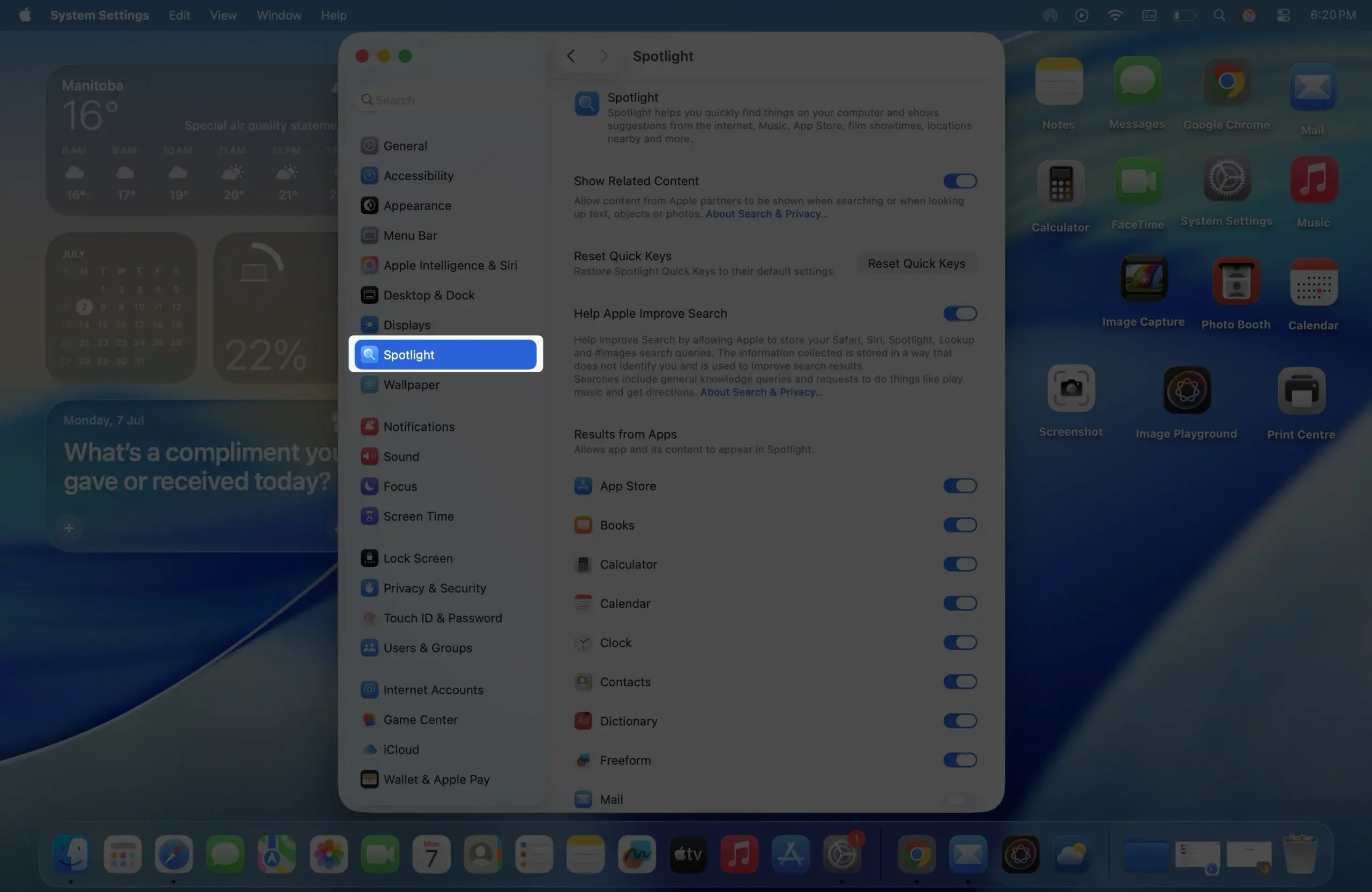
- Scroll the right side panel to find the Search Privacy… button.
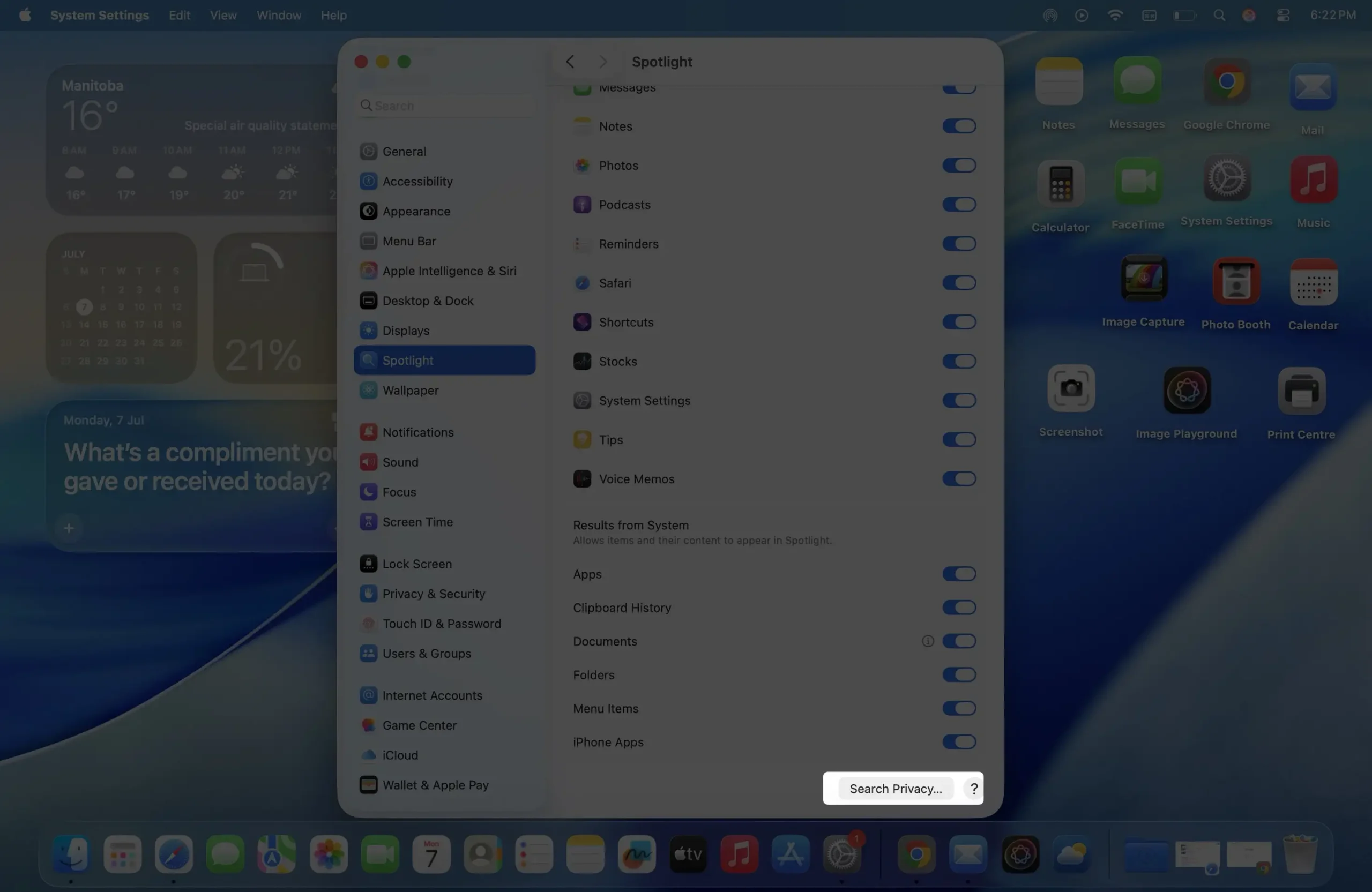
- Next, click on the (+)Plus button to add or exclude from Spotlight Search on Mac.
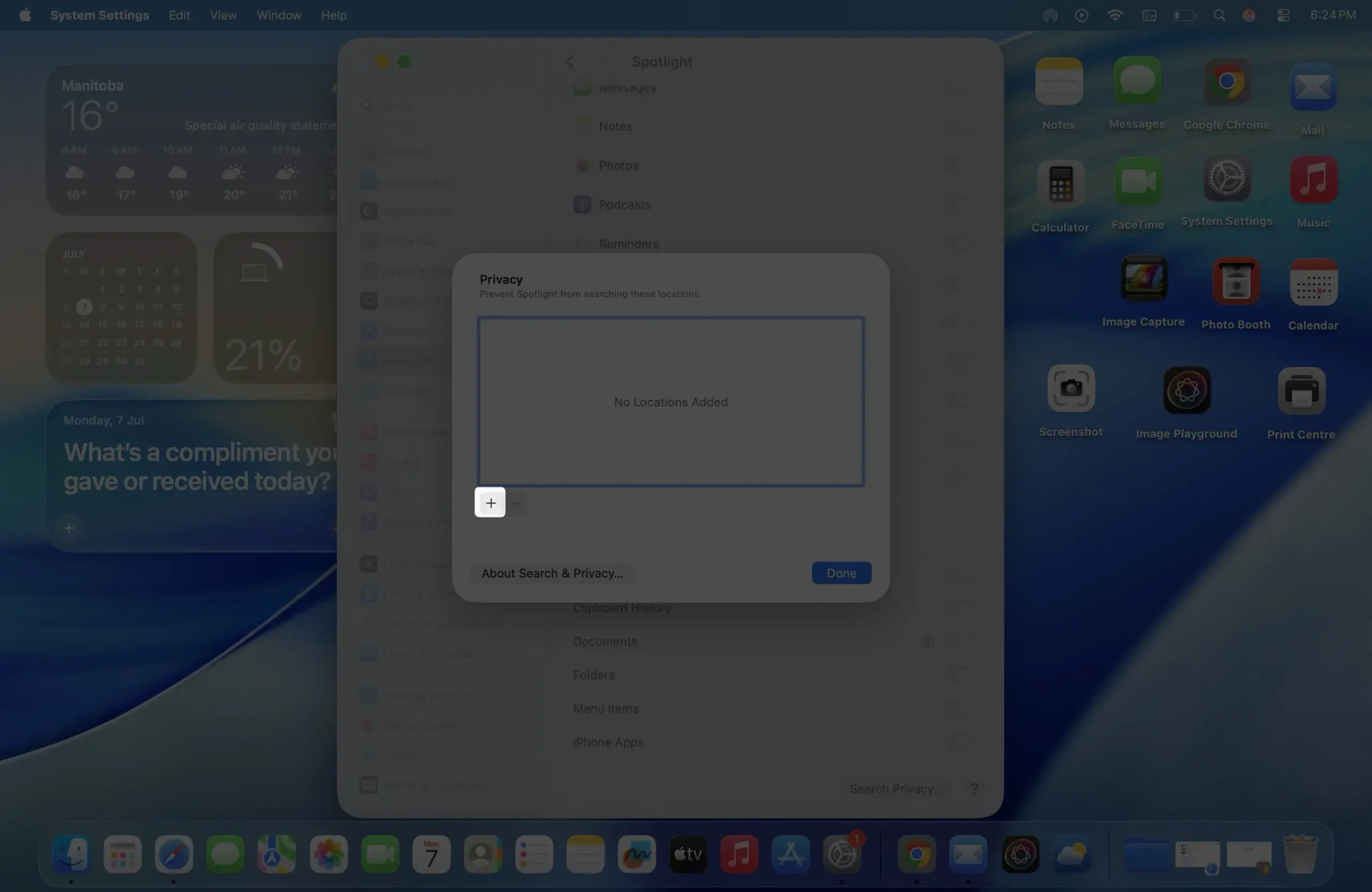
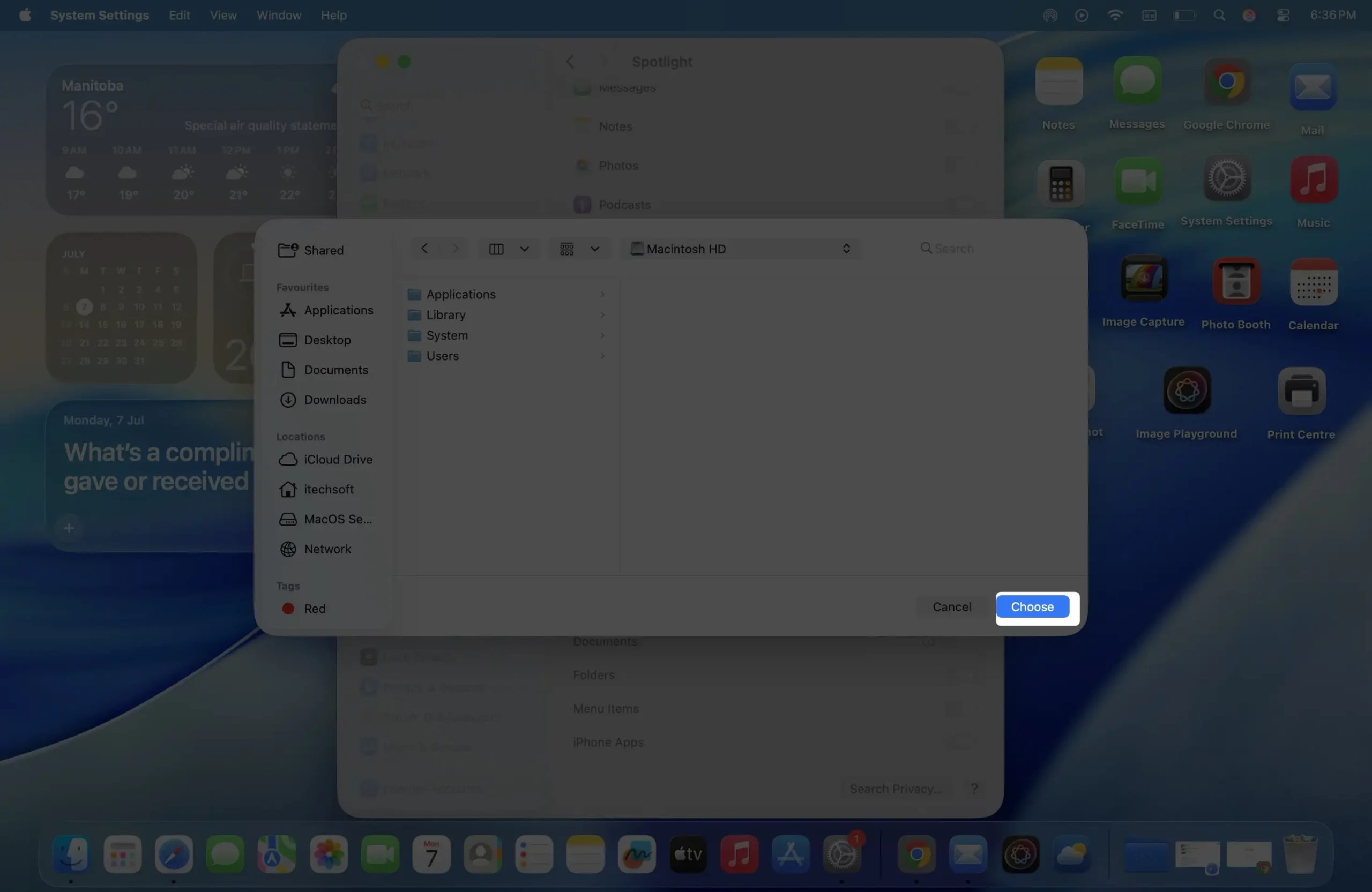
- Now choose a specific folder or your Macintosh HD to exclude it from Spotlight Search.
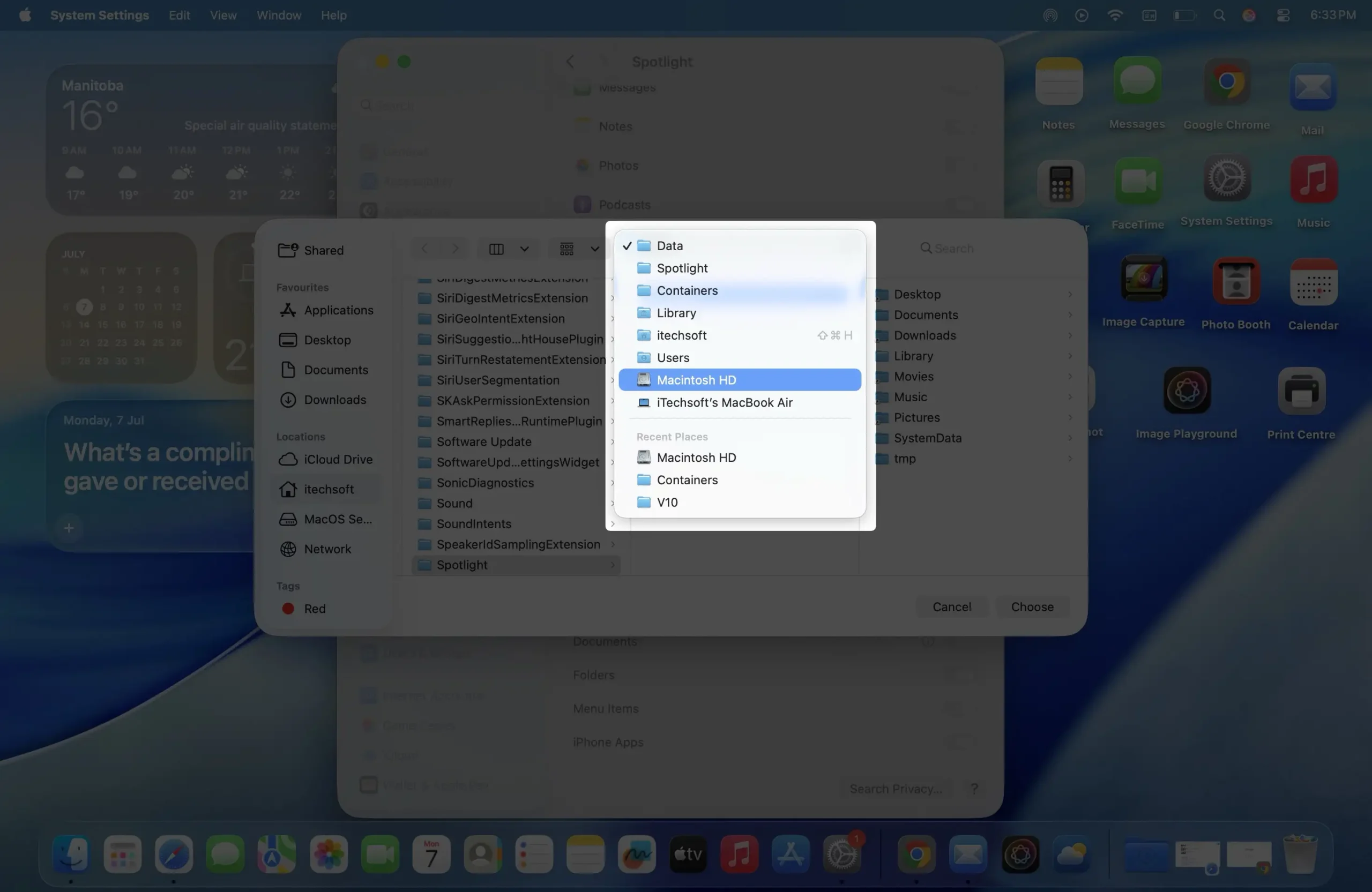
- Click on “Choose” and then select “Done” to save the settings.
Steps for MacOS Monterey & Earlier users
- Click on the Apple logo.
- Select System Preferences.
- Select Spotlight.
- Click the Privacy tab.
- Locate ‘+’ and click on it, to open the Finder window.
- While holding the Command key, press the Up Arrow button until the Macintosh HD is highlighted.
- Click on Macintosh HD and then click Choose option.
- Accept the warning message, and click OK.
However, these changes could create problems for you, like when you want to search a file in Finder; it won’t show up because you’ve stopped Spotlight from indexing the disk on which your files are stored. At the same time, this can make the Mac much faster because the indexing process has been stopped. Hence, CPU Usage will be less.
Method 4: Group Files and Hide It
Do you want to get rid of certain files not appearing in the Recents folder on Mac? Then why not create a New Folder and move all the files that you don’t want to see in Recents Folder, and then we’ll exclude that particular folder from indexing.
- Create a New Folder.
- Move all of your files, pictures, videos, documents, etc., into that folder.
- Use the Command + C to copy files.
- And Option+Command+V to paste the files into the newly created folder.
- When you use Command + V to paste the files, the original version of that File still stays in that location, and hence it will appear under Recents.
- Once you’re done with Moving Files into Folder, open the System Preferences.
- Select Spotlight.
- Select the Privacy tab.
- Add that folder into Prevent Spotlight from searching these locations: box.
Method 5: Rename a File on your MacOS System
We don’t see and know, but hundreds of hidden files are there in the macOS that backs up the system and provides reliable results. The MacOS uses a technique to hide the files; it can be done by adding a (.) dot at the beginning of the file name.
By reading this, you might be thinking of renaming the File in order to hide them. Unfortunately, the Mac won’t let you add a dot at the beginning of the file name. But as usual, what we can’t achieve in Finder, can be done with the help of Terminal App and its commands.
Tip: Press the Command+Shift+dot (.) to see hidden files from Finder. Press the Dot key on the keyboard, don’t press the dot letter keys.
You can rename the File that you don’t want to see in the Recents of Mac by adding the dot in the beginning.
- Open the Terminal on your Mac.
- Navigate to the directory where that file is located, use the cd command.
- Once you’re in that directory, form a command like this:
- mv Filename.fileextension .Fielename.fileextension
- For example, mv image.jpg .image.jpg
- Hit return to execute the command.
Also Read, How to Get Back Missing Download Folder on Your Mac Dock
Method 6: Move Files to Encrypted Drive
The last method to avoid files in Recents is to move them to Encrypted Drive, where Spotlight search cannot perform any indexing, and it will remain safe within Encrypted Drive.
- Go to the Applications folder.
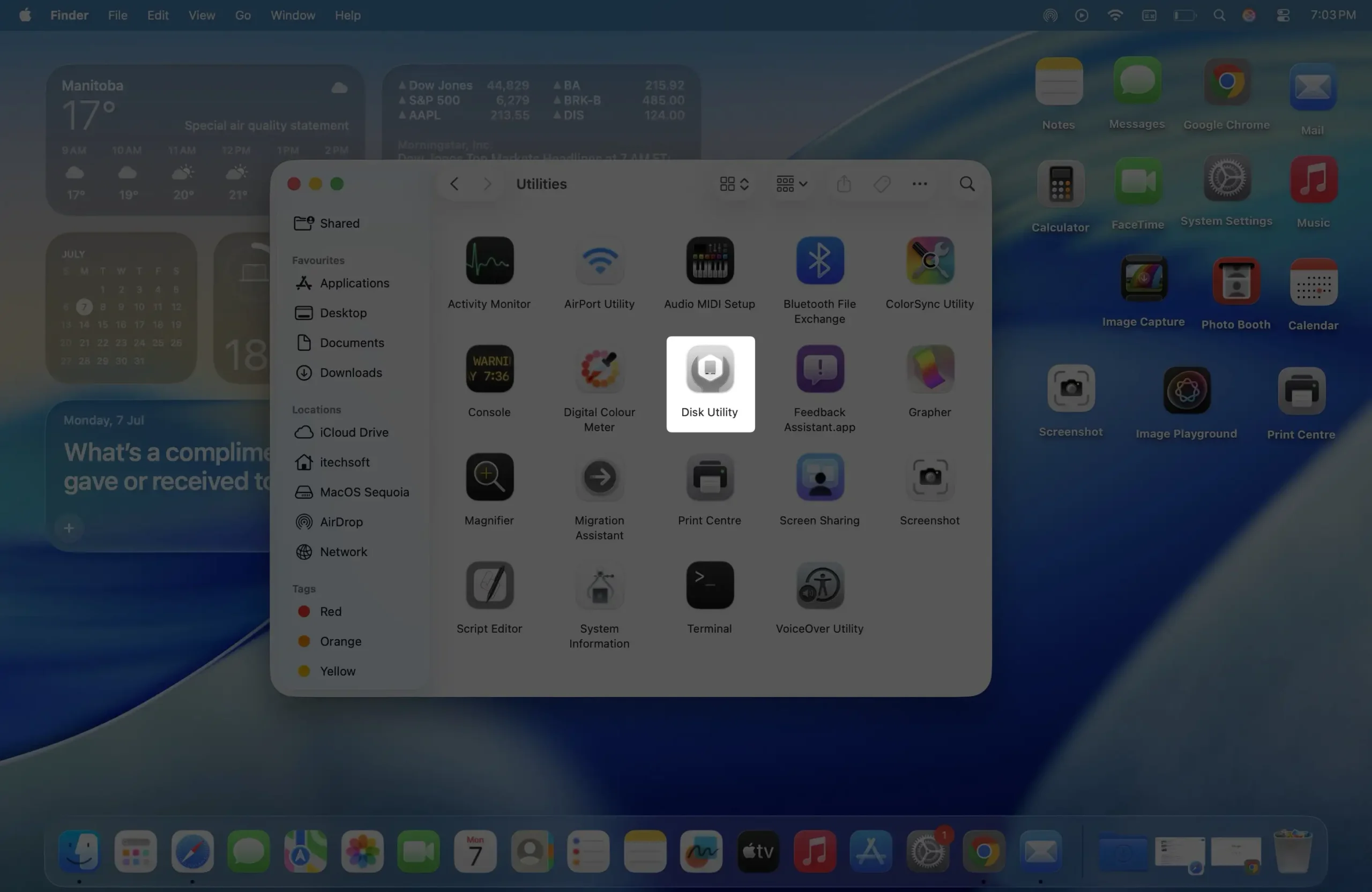
- Find and open Utilities.
- Now, open Disk Utilities.
- Alternatively, press command + space bar and search Disk Utilities from Spotlight search.
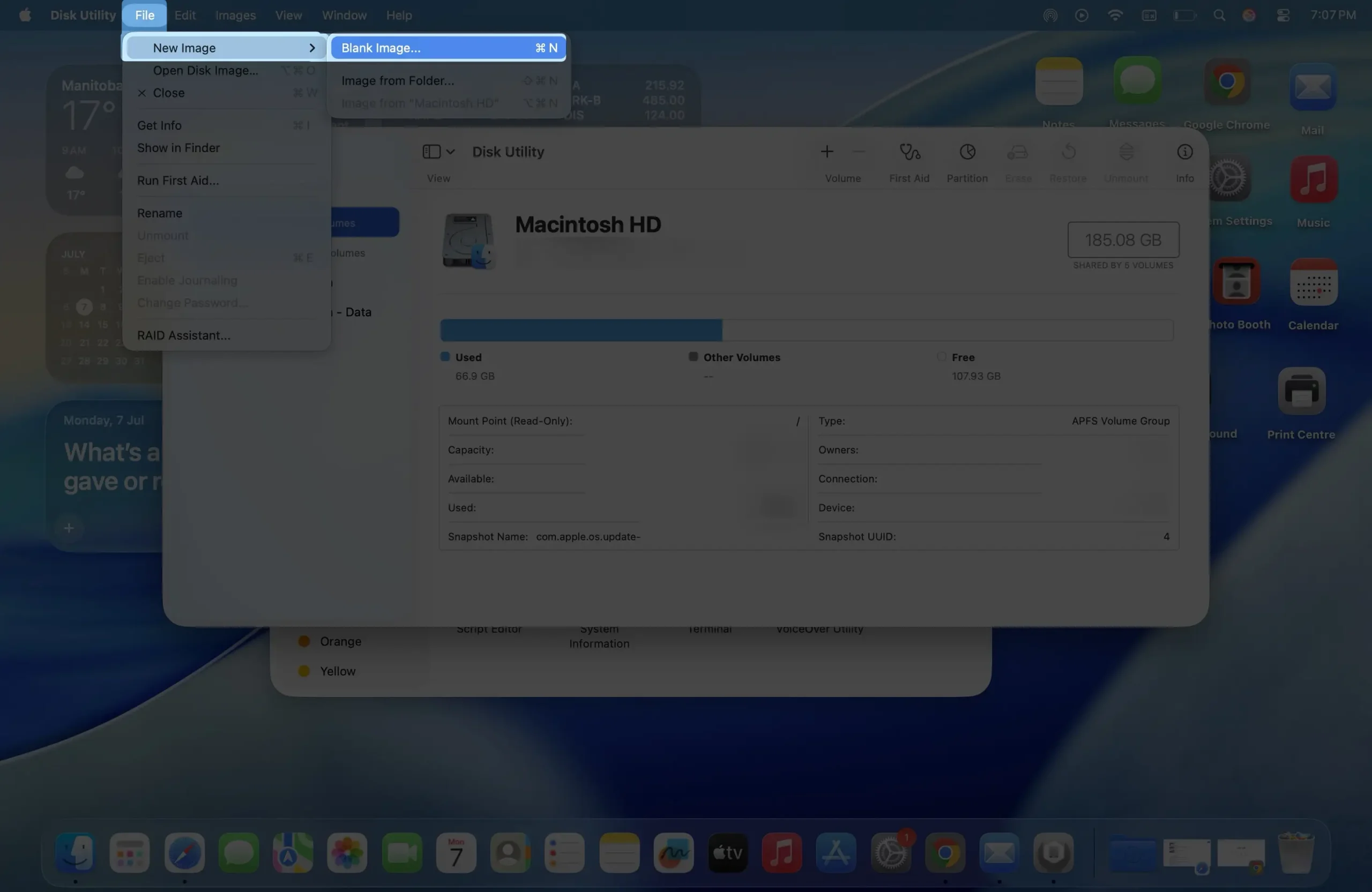
- Once you’re in Disk Utility, click on File in the top menu bar.
- Select New Image.
- Choose Blank Image.
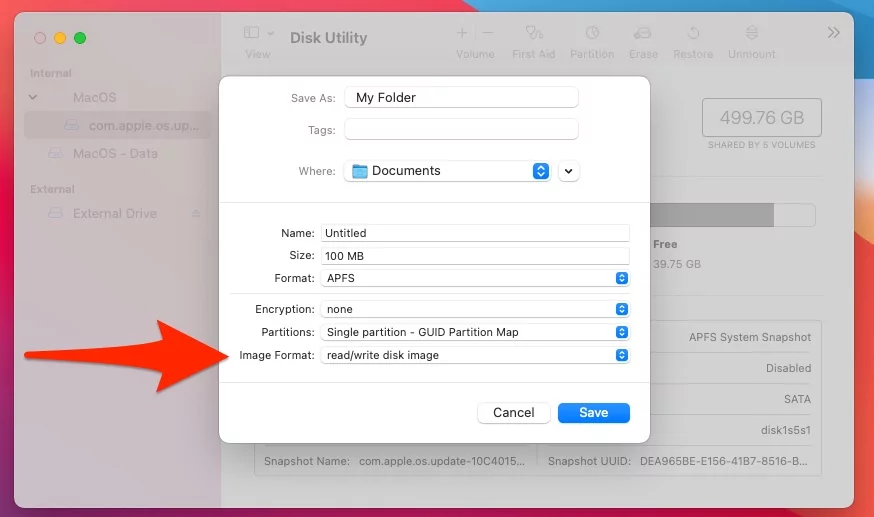
- Now fill in all the required details and Save it.
- Make sure to select read/write disk image in the Image Format option.

- That’s it.
Mac Remove Recent Items Dock
Likewise, you can get rid of applications sitting on the Mac Dock. If you don’t like the crowded dock, then there are two ways to do it.
Method 1: Make Icons Automatically Disappear from Dock
By changing the settings, macOS will prevent the icons from appearing on the dock.
- Open the System settings on macOS.
- Click on Desktop & Dock.
- Now, toggle off the switch next to Show suggested and recent apps in Dock.
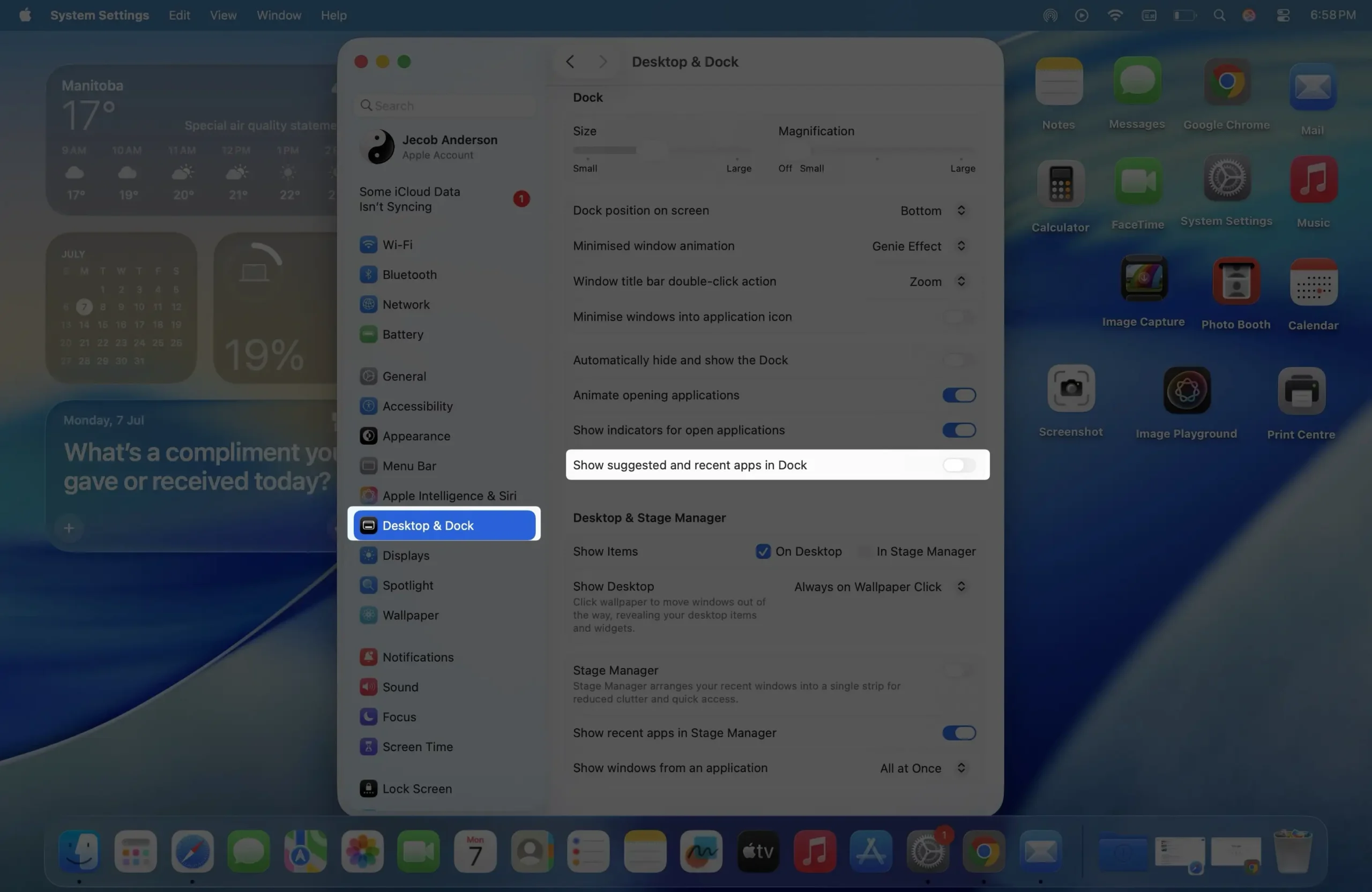
- That’s it.
Method 2: Remove Icons from Dock
If you want to remove a specific icon from the dock, first make sure the app is closed. Then just click and drag the icon to your desktop, and it’ll disappear from the dock.
Quick tips for managing privacy and keeping sensitive files from showing up in Mac Recents
- Store private files in a hidden folder so Finder smart searches don’t easily pick them up.
- Use Disk Images (DMG) to keep sensitive files contained and encrypted.
- Rename or zip your NSFW or confidential folders, then store them somewhere obscure.
- Turn off Recents in Finder sidebar so you’re not constantly reminded or accidentally exposing recent files.
- Regularly clear Recents by removing items so they stop appearing in quick views.
- Set Finder to open a safe default location (like Documents) instead of Recents.
- Use different user accounts for work and personal stuff to keep sensitive files out of shared Recents.
All these customizations and tips will help you clear or hide the Recents folder in Finder on your Mac or MacBook, keeping your files more private and organized. If this guide helped, or if you have your own tricks, drop a comment below—I’d love to hear what’s working for you!